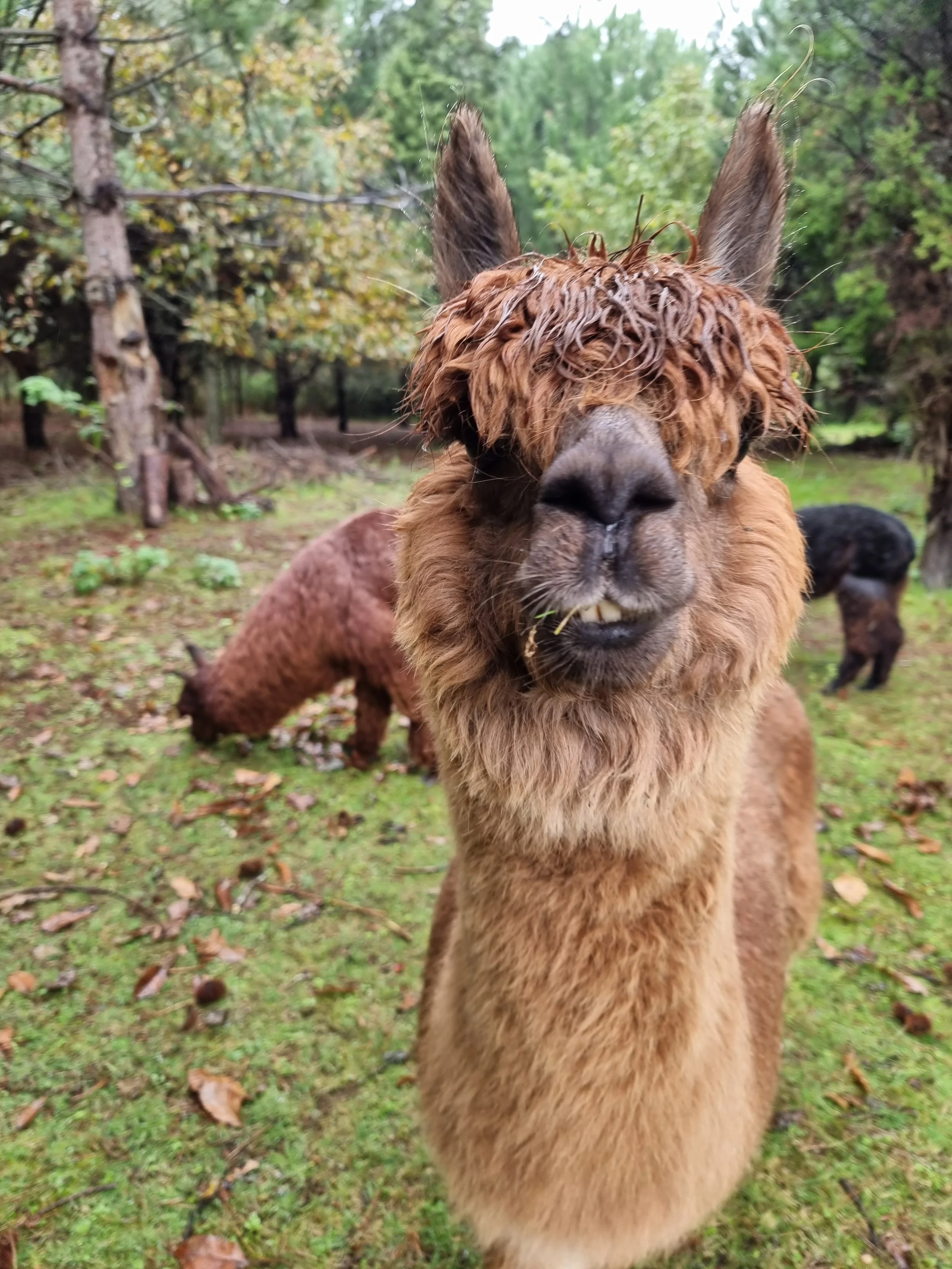
An Alpaca Experience
We invite you to get to know more about our wonderful alpacas.
Experience Duration: 2.5 hours
Schedule: From 10:30hrs till 13:00hrs
Available for booking: Thursdays and Saturdays
Prices: Adults €24 / Children €18 (under 3years are free)
What to expect:
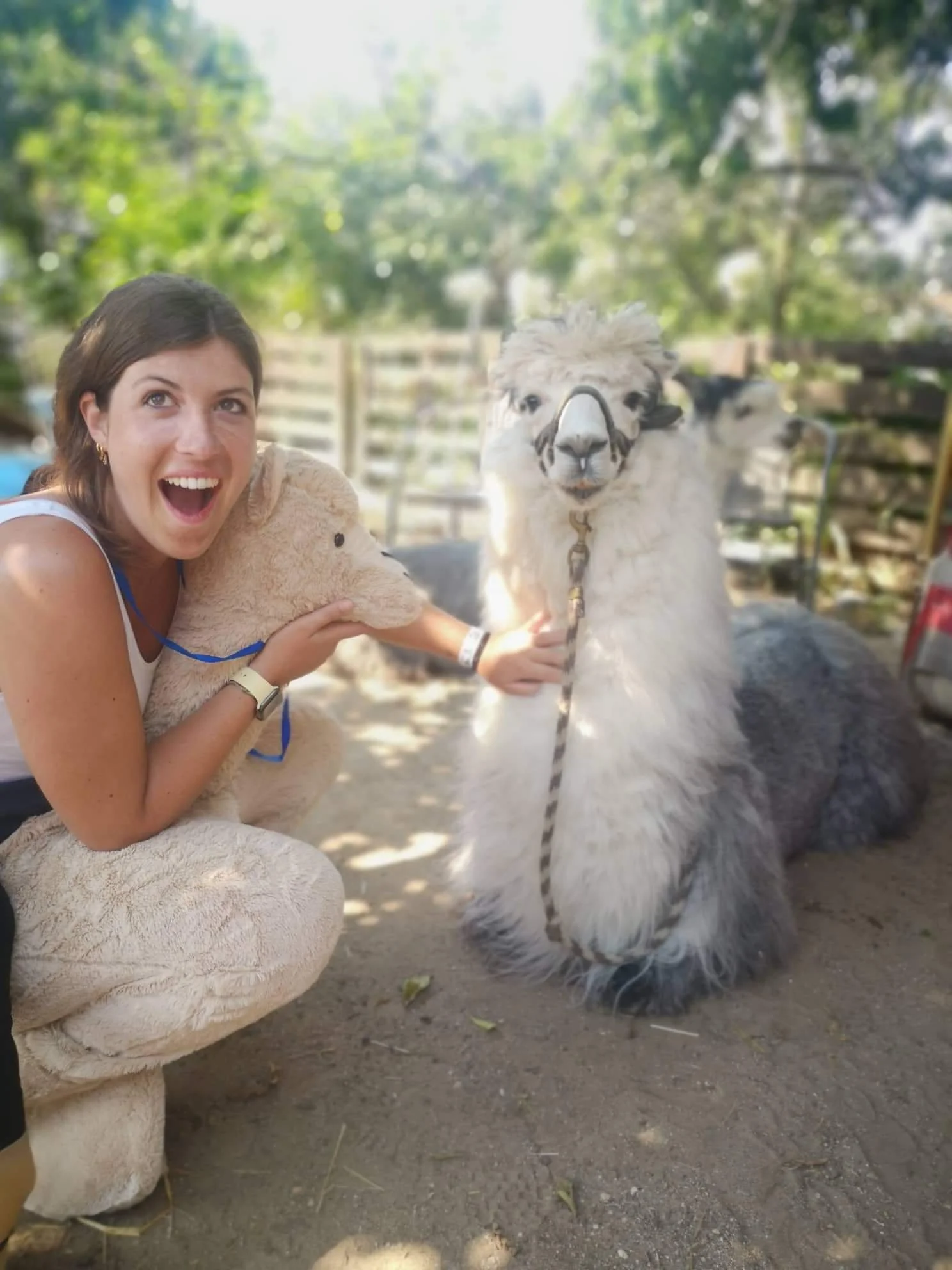
During your experience you will learn lots of interesting facts about these wonderful animals and have the opportunity to feed, brush and hug them.
You’ll also take part in a hands-on workshop using our alpacas’ wool, where you’ll learn a new craft and create a unique memento to take home as a special reminder of your experience with us.
Alpaca experiences are open only in good weather conditions
….no one wants to cuddle a wet alpaca!
To book, please send an SMS/WhatsApp message or call on +351926179255 to check availability for the upcoming Thursdays/Saturdays.
Private group bookings on other days are available for groups of 5 or more adults, subject to availability.
Due to limited spaces, we recommend booking in advance to avoid disappointment.
Alpaca Facts
Alpacas originate from S. America where they are believed to be one of the oldest domesticated animals in the world.
Alpacas are members of the camelid family, being the smallest, and primarily used for their luxurious fleece, light packing abilities and being hardy, easy to manage and soft footed.
The fleece of an alpaca is highly prized being soft, luxurious, very strong, clean, hypoallergenic and incredibly warm.
Alpacas come in 22 natural colours and all the shades in between.

Alpaca dung is an excellent fertiliser and comes in neat pellet form all delivered on a communal dung pile for easy collection. It can be applied directly onto your garden.
Alpacas are very hardy and relatively easy to care for they require 6 monthly vaccinations, shearing, worming, toe nail clipping and teeth clipping and daily inspection. Observation and time spent with these fantastic animals is essential and a pleasure in maintaining a healthy herd.
As a member of the ruminant family they have very efficient stomachs which enables them to browse very rough herbs and grasses which makes them very good at clearing rough land.
With soft padded feet land compaction is not an issue.
Herd animals by nature, they are very loyal and make excellent guard animals. They intimidate predators by their mere size and curiosity rather than aggression. They are proven more caring and reliable than dogs or donkeys when put with other domesticated animals that require guarding, for example sheep in lambing season.
Alpacas also make perfect companion animals for horses and ponies.
Alpacas can be halter trained and make a great companion on country walks carrying camping gear and picnics,
Alpacas can live for approximately 20 years and can produce 10 to 12 young known as ‘cria’ in their lifetime, their gestation is 11 months
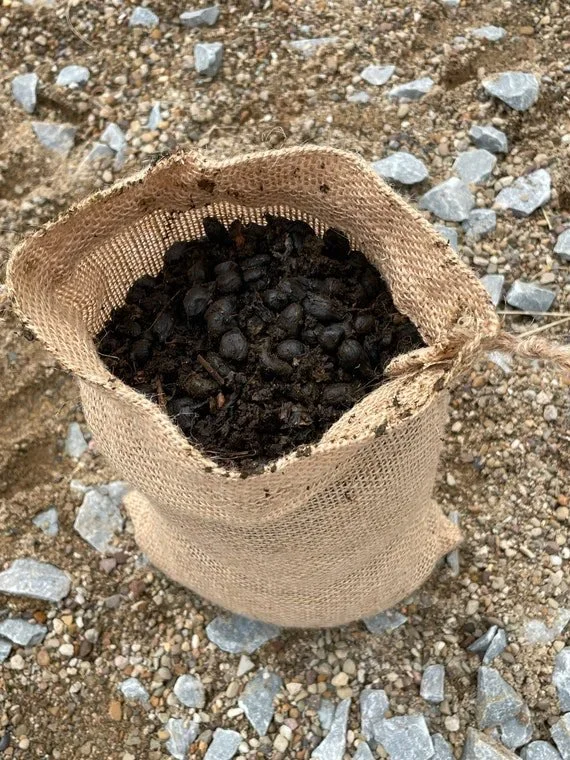
Alpaca poo, also known as "alpaca beans," is valued for several reasons:
Eco-Friendly Fertilizer: It can be used directly on plants without composting, as it's less likely to burn them.
Odorless: Unlike other manures, it has little to no smell.
Weed Seed Free: Alpaca's efficient digestion prevents weed seeds from surviving in their manure.
Consistent Bathroom Habits: Alpacas use specific spots for defecation, simplifying manure collection.
Fuel Source: In some regions, dried alpaca manure is used as a bio-fuel.